
ARISE offers DC, earthing and AC cables for safe, efficient solar-system wiring across residential, commercial and industrial installations.
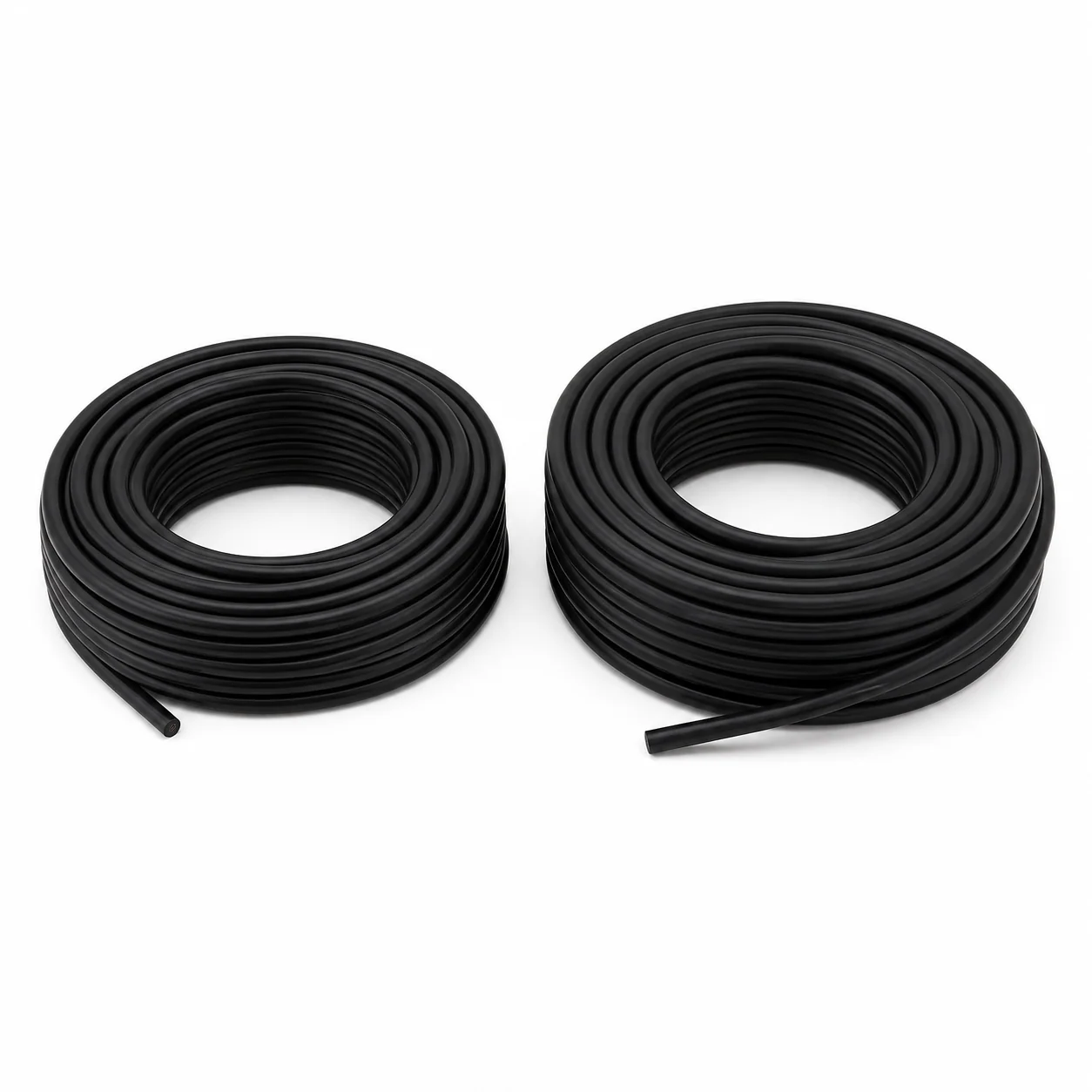
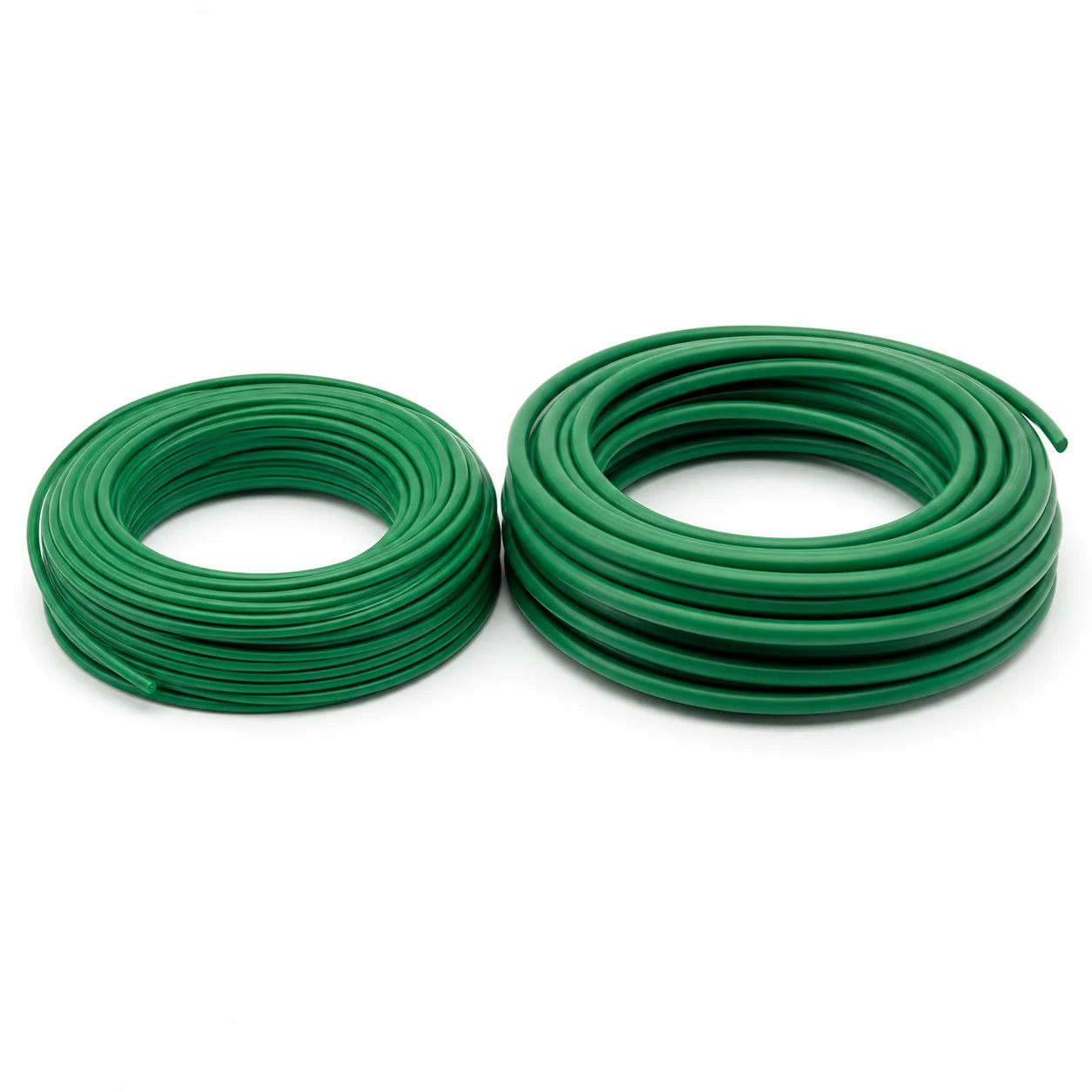
DC Cable
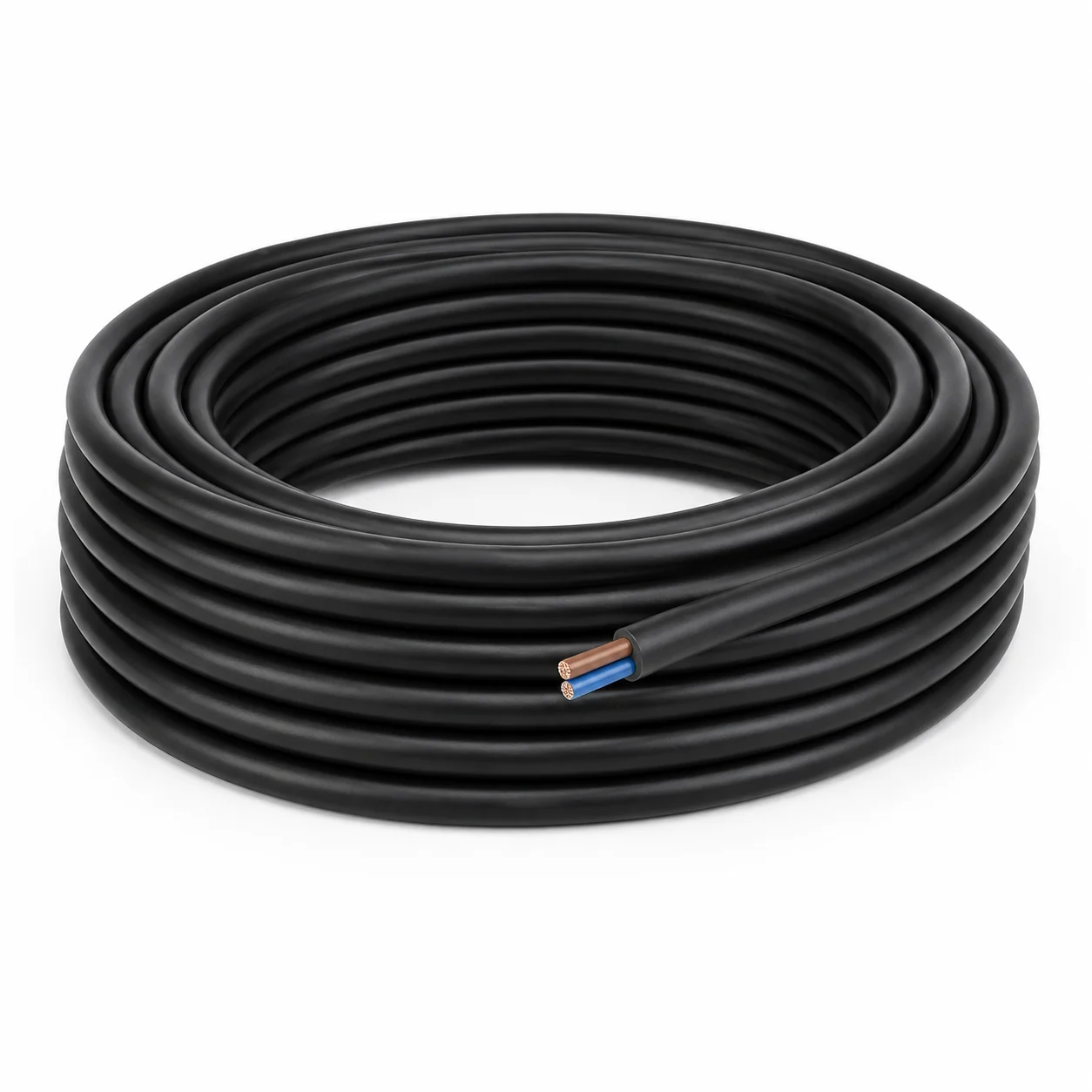
AC Cable
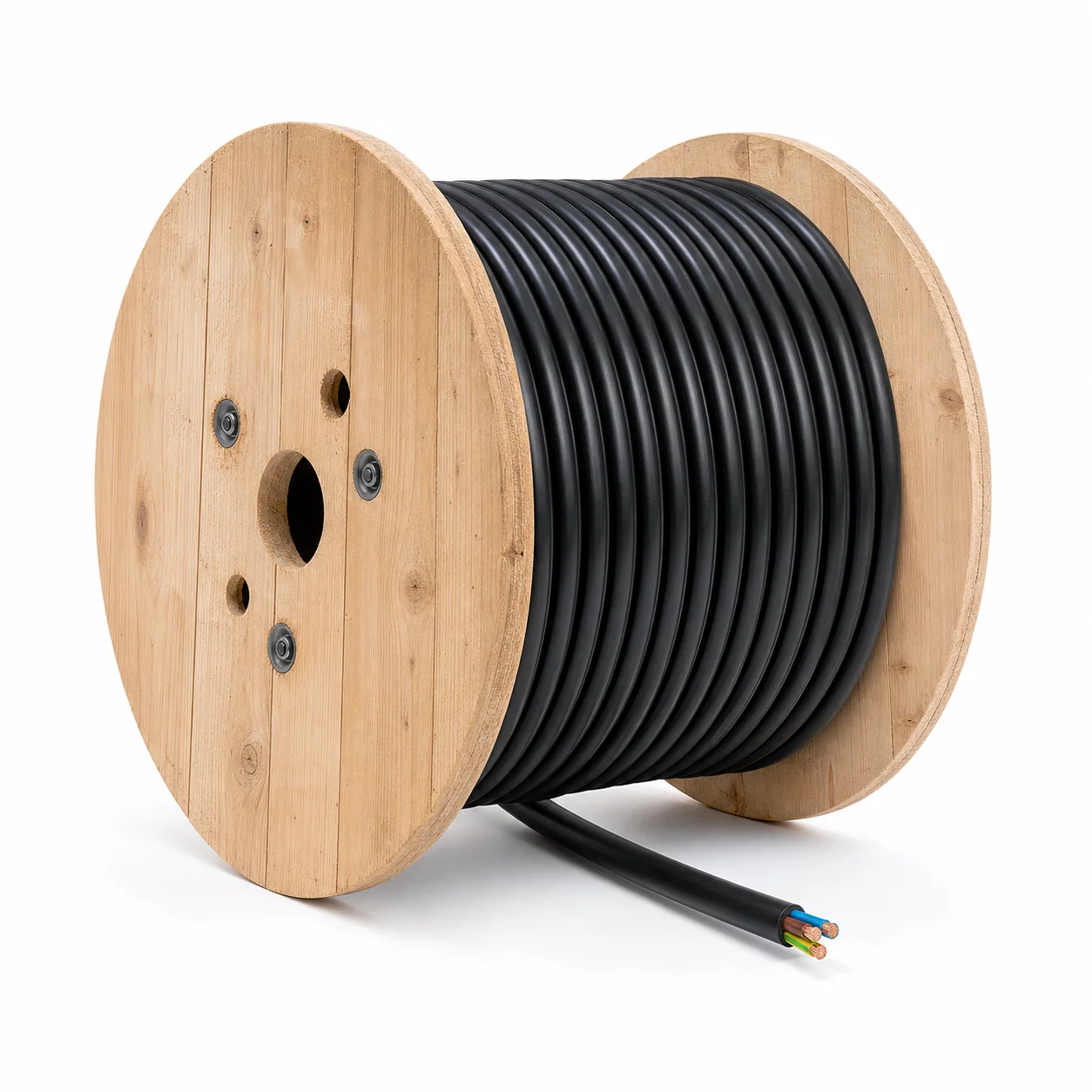
| Specification | Details |
|---|---|
| Conductor Material | Copper |
| Insulation | UV / weather-resistant |
| Voltage Grade | Request current datasheet |
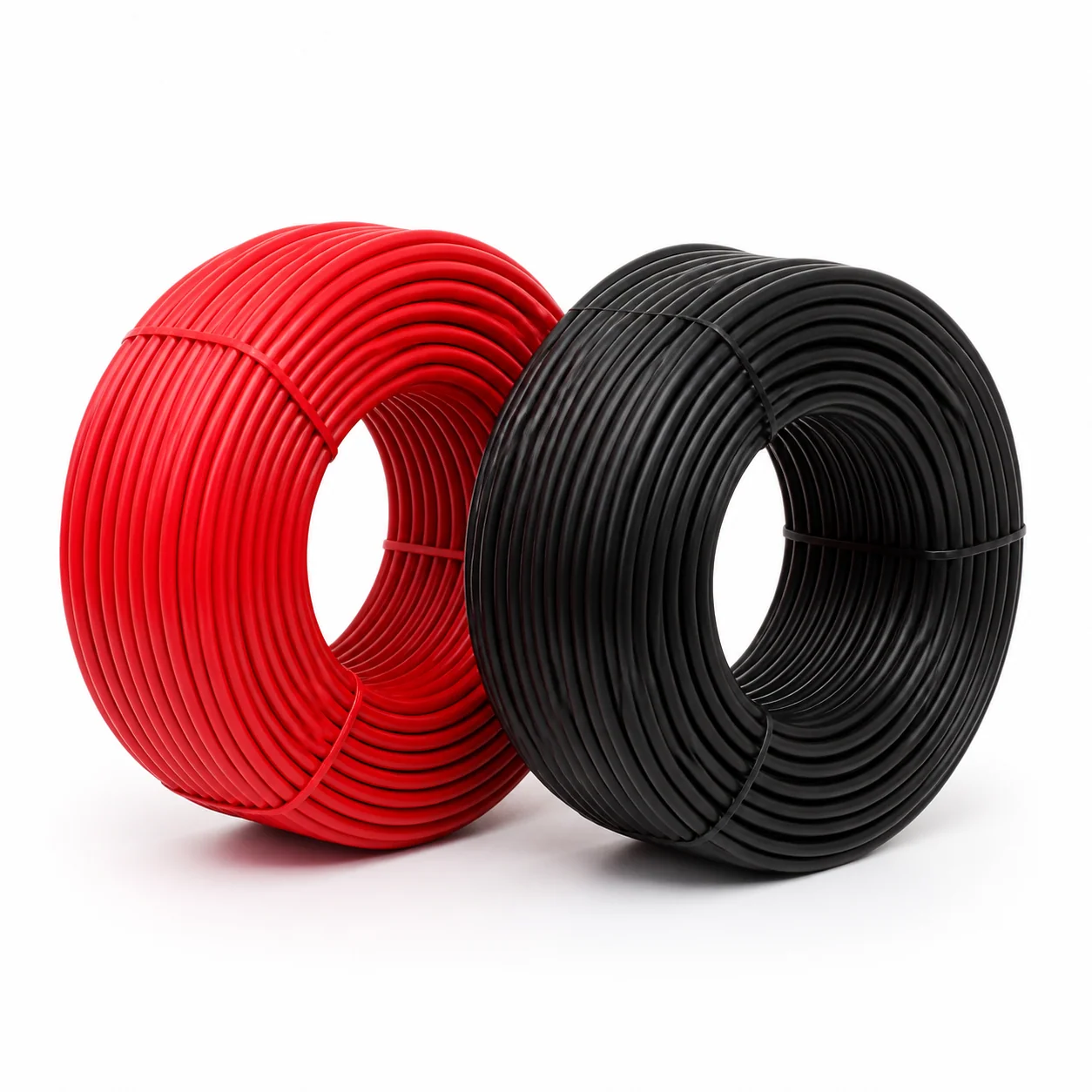
| Available Colors | Red / Black (DC), standard colors (AC) |
| Length | Confirm required lengths and available roll sizes in the quotation |
Enquire About Solar Wires
Specify the circuit before ordering cable
Solar DC cable, inverter AC cable and protective earthing conductors have different roles. Selection depends on voltage, current, route length, voltage drop, installation conditions and protection requirements.
Provide the circuit details, core count and lengths for a supply quotation. Qualified electrical personnel should confirm sizing, connectors, routing and termination.
Cable selection needs a circuit and route
Identify the circuit as photovoltaic DC, inverter AC or protective earthing. Provide design voltage and current, cable length, installation method and environmental conditions. The designer should check voltage drop, current carrying capacity and protective coordination for that route.
Core count and conductor size should come from the design. A cable mentioned for another system of the same kW rating is not automatically appropriate for your building.
Avoid incompatible connectors and exposed routing
Use connectors approved to mate with each other and the specified tools and procedure for termination. Similar appearance is not proof of compatibility.
Plan identification, segregation and mechanical protection. Outdoor exposure, bends, entry points and service access need attention. Do not use ordinary indoor wiring in exposed solar applications without confirming the required rating.
Ask for a supply and installation breakdown
For supply, specify cable type, dimensions, lengths and documentation. For installed work, confirm terminations, connector sets, routing hardware, labour and testing. Record any excluded civil or access work.
Electrical personnel should inspect damaged cable and decide the correct replacement or approved repair. Do not treat adhesive tape as a permanent weatherproof joint.
Clear answers
Frequently asked questions
What is a solar DC cable used for?
Solar DC cables connect photovoltaic modules and related DC equipment. Select cables suitable for the array's electrical and environmental conditions.
How is an AC solar cable different?
AC cables carry alternating current after conversion by the inverter. Their construction and rating must suit the AC circuit and installation route.
Which cable size should I buy?
Cable size depends on design current, route length, voltage drop, installation conditions and protection. A fixed size cannot be recommended without those details.
Why does cable length matter?
Longer runs can increase voltage drop and losses. The designer should assess route length along with current and installation method.
Can ordinary indoor wire be used outdoors for solar?
Only use cable rated for the intended conditions. Exposure, temperature, moisture and mechanical protection must be considered.
What does an earthing conductor do?
It forms part of the protective earthing or bonding system. Its size and routing must follow the electrical safety design.
Can different connector brands be joined?
Do not assume compatibility from appearance. Use approved mating connectors and manufacturer-specified assembly methods.
Should DC and AC cable routes be planned separately?
They require appropriate segregation, identification and protection as specified by the electrical design and applicable requirements.
What details are needed for a cable quote?
Share AC or DC use, voltage, design current, required length, core count, installation method and delivery location.
Is cable supply the same as wiring installation?
No. Confirm whether termination, routing hardware, labour, testing and protection are included.
Can damaged solar cable be repaired with tape?
Damaged cables need qualified assessment and appropriate replacement or approved repair. Tape is not a substitute for a designed weatherproof connection.
What documents should I request with cables?
Request the manufacturer datasheet, ratings and applicable compliance documents for the exact supplied cable.